
Preventive home improvements are proactive measures that homeowners can take to safeguard their investment and reduce long-term costs. This article explores various strategies and their benefits. By understanding and implementing these practices, homeowners can secure their properties and minimize expenses related to repairs and inefficiencies.
Such measures not only protect the physical structure of the home but also enhance living conditions and reduce utility expenses. This dual advantage makes preventive home improvements a wise choice for maintaining and potentially increasing property value. The significance of such improvements is highlighted by the numerous unforeseen costs they help avoid.
In the following sections, we will delve into specific areas where preventive maintenance can save homeowners money. This includes looking at the role of inspections, upgrades, and routine care in averting costly issues. Homeowners can take advantage of these insights to make informed decisions that bolster their financial stability.
1. How Does Regular Maintenance Save Money Over Time?
A. Importance of Regular Inspections
Regular home inspections are critical as they allow for early detection of potential problems, which are often more cost-effective to fix in their initial stages. This foresight can drastically reduce the need for more extensive repairs. Engaging with local roofers and other specialists ensures these inspections are thorough and regular, mitigating risks before they become serious
Beyond structural safety, regular checks contribute to better home health. For instance, identifying leaks before they lead to mold infestation means avoiding significant health risks and repair costs. With routine inspections, homeowners often keep their properties in better condition, offering peace of mind and financial savings.
Roofing service offers emphasize that preventive maintenance is key to maintaining roof integrity over time. Such services highlight not only the importance of regular inspections but also timely maintenance. By invoking the expertise of roofing contractors, homeowners can ensure that every part of the home performs optimally.
B. Avoiding Major Repairs
Small fixes, like repairing hurricane glass doors, if handled promptly, can prevent the need for major repairs later. For example, timely roof repair services prevent extensive water damage that could require expensive restoration. Utilizing skilled local roofers ensures small roofing issues do not escalate into significant problems.
Similarly, regular upkeep of heating systems, such as your heater repair, translates into savings. Skipping routine maintenance can lead to sudden breakdowns, often necessitating costly emergency services. Furthermore, maintaining home heating oil systems not only improves efficiency but also limits the risk of system failures.
Overall, proactive measures save money by avoiding the domino effect of small issues growing into complex projects. This approach extends to all household systems, ensuring they function at peak efficiency with minimal intervention. Homeowners gain financially by investing smaller amounts consistently over time rather than facing substantial expenses at once.
C. Increasing Home Efficiency
Efficiency improvements are a cornerstone of preventive maintenance strategies. Enhancing the efficiency of home systems can significantly lower utility bills and bolster savings. Integrating modern technologies such as smart thermostats can optimize home heating and air conditioning systems.
Moreover, the use of proper plumbing service ensures that water systems operate without wastage, contributing to both energy and cost savings. By hiring an electrical contractor, homeowners can further optimize energy use through better electrical system design and lighting solutions. These upgrades can substantially reduce energy bills when combined with regular system check-ups.
Zeroing in on roof efficiency is crucial, as roofs are primary barriers against external weather conditions. Using specialized materials or coatings can reflect heat, cutting down cooling expenses during warmer months. These efficiency gains demonstrate how preventive home improvements can actively lower ongoing costs.
2. What Are the Cost Benefits of Energy-Efficient Windows?
A. Energy Savings Over Time
Energy-efficient windows are well-known for their ability to reduce heating and cooling costs significantly. By maintaining a stable temperature inside the home, these windows decrease reliance on HVAC systems. Consequently, homeowners can look forward to lower utility bills over time.
The insulation quality provided by energy-efficient windows can lead to considerable savings. They are designed to keep heat out during summer and within during winter. These thermal regulation properties reduce the workload on heating systems, which means less dependency on electricity and home heating oil.
Beyond direct energy savings, investing in these windows can increase the home’s overall value. As energy efficiency continues to rise in importance among homebuyers, such features make a property more attractive. This attribute also aligns with environmental considerations, appealing to eco-conscious individuals.
B. Enhancements to Home Comfort
Energy-efficient windows contribute significantly to the comfort of a home by ensuring more consistent indoor temperatures. Enhanced insulation minimizes drafts and cold spots, creating a more pleasant living space. Such improvements often make a noticeable difference in home comfort, directly impacting family well-being.
Moreover, these windows improve sound insulation, reducing external noise intrusion. For residences near high-traffic areas, this noise reduction amplifies indoor serenity. Homeowners who integrate these windows often report an elevated quality of life, alongside financial savings.
Complementing these benefits are aesthetic enhancements provided by modern energy-efficient window designs. Many available options are not only functional but also elevate the visual appeal of a property. Combined with the financial savings, these features make energy-efficient windows a wise investment for homeowners.
C. Long-Term Return on Investment
The initial investment in energy-efficient windows is typically offset by the long-term savings in energy costs. Over time, these savings accumulate, often paying back the cost of the windows and contributing to household income. This makes them a financially attractive option for those looking to enhance home efficiency.
Besides reducing energy bills, energy-efficient windows may qualify homeowners for government incentives and rebates. These incentives make the initial cost more manageable, encouraging wider adoption of energy-saving practices. By capitalizing on these opportunities, homeowners maximize their return on investment.
Installing energy-efficient windows often signals a smart financial move, with positive repercussions on household budgets. As energy prices continue to rise, the relevance of such investments grows, emphasizing their strategic importance. Homeowners ready to invest in energy efficiency are prepared to see long-lasting financial returns.
3. How Can Roof Inspections Prevent Expensive Repairs?
A. Identifying Leaks Early
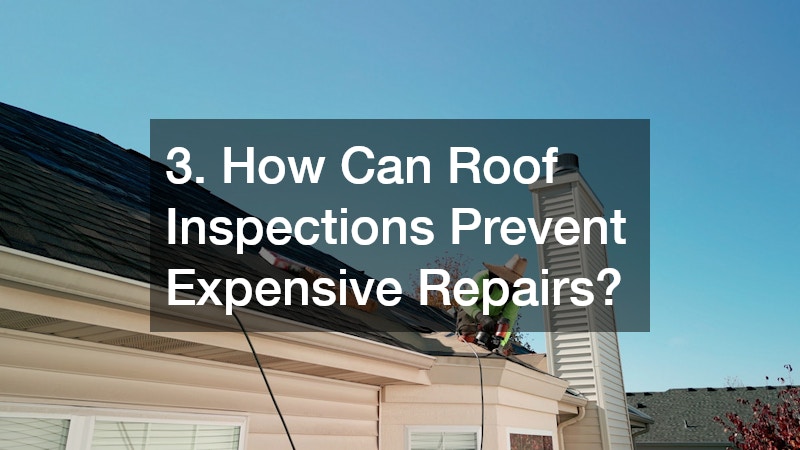
Regular roof inspections are critical in identifying leaks before they lead to significant damage. Minor leaks left unchecked can spiral into major structural repairs, requiring substantial financial outlay. Engaging roof repair services promptly is a prudent move for preventing extensive issues.
By identifying leaks early, homeowners can avert severe structural threats that might require costly interventions. It is recommended to consult with professional roofing contractors to ensure leaks are detected and managed efficiently. Such proactive maintenance can translate into direct cost savings over time.
Keeping on top of roof maintenance with local roofers ensures early detection of issues, whether it be leaks, missing shingles, or gutter obstructions. The expertise of these professionals provides a safeguard against unforeseen complications that could be financially draining.
B. Prolonging Roof Lifespan
Inspections not only prevent immediate issues but also contribute significantly to prolonging the lifespan of a roof. Ongoing maintenance prevents deterioration that could necessitate early replacement. A longer-lasting roof reduces the frequency of repair costs, saving money over the long haul.
Properly maintained roofs withstand environmental stress better, offering extended protection. Regular cleaning of gutters and a sound drainage system help in maintaining this integrity. Homeowners who invest in routine inspections typically enjoy greater roof durability and associated cost benefits.
Utilizing available roofing service ensures that roofs remain robust and steadfast over time. Professionals equipped with the latest techniques and materials can enhance roof longevity. Homeowners thus experience peace of mind, knowing their roof provides dependable protection.
C. Government Incentives and Rebates
Several government programs incentivize energy-efficient roofing, making installation costs manageable. These incentives aim to promote environmentally friendly practices and their financial benefits. Homeowners can lower upgration expenses via rebates that offset initial costs.
Incentive programs also encourage early replacement of inefficient roofing materials with modern alternatives. By investing in energy-efficient systems, homeowners can reduce future energy costs and recycle initial outlays. Such programs not only promote sustainability but also open pathways to financial savings.
Zeroing in on available rebates can make efficient roofing systems an affordable option. By engaging in these programs, homeowners can enjoy lowered initial costs coupled with ongoing energy savings. Ultimately, the combination of extended roof lifespan and associated incentives underscores substantial cost benefits.
4. Why Is Insulation Important for Cost Savings?
A. Heat Retention and Energy Efficiency
Proper insulation significantly enhances heat retention in homes, leading to notable energy efficiency. By keeping desired temperatures within, heaters and air conditioners can operate less frequently. Consequently, utility bills drop, resulting in real savings across seasons.
Insulation addresses energy consumption problems head-on by targeting thermal inefficiency. By implementing modern insulation solutions, homeowners can achieve a well-regulated indoor climate. This proactive step eliminates wasteful energy patterns and directly enhances cost-effectiveness.
Heating systems, particularly those dependent on home heating oil, gain efficiency from improved insulation. Reduction in thermostat dependency further decreases energy costs. This cost-saving mechanism emphasizes the importance of incorporating comprehensive insulation systems.
B. Seasonal Benefits
Insulation is advantageous throughout diverse seasons, ensuring stable indoor temperatures year-round. During winter, properly insulated homes retain warmth, reducing reliance on heating expenditures. This efficiency translates to both comfort and cost efficiency during the cold months.
Conversely, insulation also plays a critical role during summer by keeping out excess heat. This minimizes the need for continuous air conditioning, lowering associated costs. The protection afforded by insulation extends benefits beyond mere energy savings.
Seasonal transitions can increase vulnerability to temperature fluctuations. Insulation mitigates such challenges, providing steady comfort without financial strain. This dual benefit highlights the necessity of strong insulation coverage overall.
C. Cost vs. Savings Analysis
The initial outlay for insulation is an investment yielded through long-term savings. Over time, reductions in energy bills effectively repay the cost of installation. When layered with potential rebates, insulation proves to be a financially sound investment.
Analyzing savings against startup costs showcases insulation’s substantial return potential. With utility expense reduction averaging significant annual percentage cuts, insulation pays dividends over its lifespan. Homeowners gain from these reductions, improving household affordability.
Holistically, insulation offers cost savings that far exceed its upfront investment. Households with insulation report consistently lower ongoing energy expenses, underscoring its value. A well-insulated home not only delivers immediate benefits but safeguards future financial stability.
5. What Role Do Smart Thermostats Play in Saving Money?
A. Automated Energy Savings
Smart thermostats contribute to automated, efficient energy savings by learning user behavior patterns. These devices adjust home temperatures to match user habits, adding convenience while cutting unnecessary energy use. Such targeted systems reduce heating and cooling costs, making homeowners thrifty energy consumers.
Moreover, smart thermostats integrate easily with existing systems, delivering consistent management. Homeowners can establish customized routines, ensuring energy is deployed only when necessary. This operational efficiency epitomizes cost-effective energy management.
Zero reliance on manual adjustments reduces the likelihood of thermostat-setting errors. Instead, smart controls foster dependable tuning that translates to measurable savings. The smart thermostat serves as a gateway to sophisticated, maintenance-free energy efficiency.
B. Remote Access and Convenience
Smart thermostats provide the luxury of remote accessibility, enabling homeowners to control settings from afar. This functionality is invaluable for adjusting temperatures before returning home, ensuring optimal comfort. Users enjoy convenience while further optimizing energy use when away.
Available mobile applications extend control over system functions beyond typical expectations. Homeowners can personalize climate settings wherever they are, extending direct impact on cost savings. This nuanced control ultimately encourages responsible energy management.
Especially useful for frequent travelers, remote access manages energy costs while safeguarding convenience. This fusion of advanced technology with practical usage invariably enhances living circumstances. Implementing these advanced controls fosters modernized, streamlined energy solutions.
C. Compatibility with Other Systems
Smart thermostats seamlessly integrate with existing home systems for enhanced efficiency gains. As they work in unison with HVAC units, they optimize performance to match household needs. Such synchronization leads to improved cost-effectiveness across all installed equipment.
Interaction with window shades and solar panels extends these capabilities further. By coordinating operations, smart devices elevate resources through intelligent usage. From lighting to heating, comprehensive system integration initiates harmonious energy efficiency.
Beyond energy savings, this cooperation simplifies home management, consolidating technology into a single interface. Users gain accessibility to a vast array of domestic resources, all underpinned by cost-cutting principles. Implementation thus culminates in a sophisticated, finished energy-efficiency package.
6. How Does Regular HVAC Maintenance Cut Costs?
A. Efficient System Operation
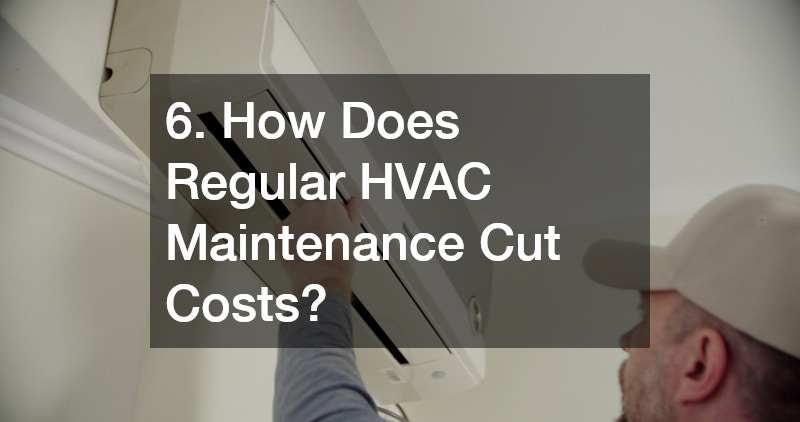
Routine HVAC maintenance ensures systems operate efficiently, preventing avoidable energy loss. Regular cleanings keep systems free of debris, improving unit performance. This delivers a direct impact on cost savings by enabling optimized energy usage.
Maintenance focuses on checking components like filters, ducts, and fans for wear or blockages. Identifying and resolving such issues maintains operational efficiency and protects against unforeseen costs. Coordinated service calls harmonize HVAC functions, ensuring power is effectively utilized.
Homeowners routinely engaged with HVAC maintenance often see reduced utility costs specifically regarding air and heating functions. Routine care avoids sudden financial surprises while guaranteeing system longevity. Professionals recommend scheduled check-ups for sustained operational efficiency.
B. Extending System Life
Regular maintenance, as performed by professional servicemen, extends the lifespan of HVAC systems significantly. Consistent upkeep diminishes wear and tear, minimizing breakdowns and interference with everyday function. Consequently, homeowners enjoy continuity in performance along with cost savings.
Prolonged system lifespans alleviate the need for frequent expensive replacements. By focusing on timely upkeep, capital expenditure is postponed, funneling funds to other essential uses. Maintained HVAC systems remain economically advantageous throughout their life cycle.
Practical concerns, alongside cost advantages, underscore dedicated maintenance scheduling. Improved systems prolong sustainability within homes, offering both comfort and fiscal prudence. The resulting combined savings demonstrate its strategic placement within cost-effective planning.
C. Preventing Emergency Repairs
Scheduled HVAC checks reduce unexpected breakdowns necessitating costly emergency repairs. Routine oversight highlights developing issues well before escalation is necessary, diffusing situations that might incur substantial expenses. Homeowners experience fewer emergencies and reduced associated stress when incorporating strategic care measures.
Planned services encompass comprehensive analysis of operational conditions and potential problem areas. By receiving timely attention, systems avoid unexpected failures, lowering immediate service intervention costs. Additionally, proactive measures prevent excess energy waste tied to faulty components.
Pairing preventive HVAC maintenance with concrete cutting techniques for duct work repairs ensures system efficiency and longevity. Leveraging skilled technicians enhances the robustness of upkeep, promoting optimal function that evokes financial rewards. Homeowners reap the benefits of preemptive action by reducing repair-related disruptions.
7. What Are the Financial Benefits of Water Efficiency Upgrades?
A. Reducing Water Bills
Water-efficient upgrades promise reduced utility bills through better usage of resources. Homeowners reap immediate savings by adjusting flow rates or installing low-consumption devices. Investing in efficient technologies translates into tangible, consistent water utility reductions.
Practices such as evaluating water consumptive habits and embracing minimal waste make notable differences in household expenses. Monitoring water usage supports efforts to minimize direct water bill impacts. The efficient allocation of resources inherently leads to reduced monthly expenses.
These cumulative savings incentivize water efficiency investments, such as upgrading to modern appliances. The financial benefits of reduced bills add to Enhanced utility management, encouraging responsible, budget-friendly consumption.
B. Water-Saving Fixtures
Installing fixtures that specifically target water use contributes directly to conservation efforts. Faucet aerators, high-efficiency toilets, and low-flow showerheads substantiate themselves with rapid cost returns. By significantly lowering consumption, households restrict wasted water.
Inclusive fixture upgrades often stabilize both water usage levels and monthly bills, ushering in continual savings. Hydration systems that maximize deliverable utility enable balanced group economies. Ultimately, efficient water utilization empowers home strategy ways control over finances.
Fixtures that save water not only hold environmental significance but also considerably buffer household budgets. By prioritizing eco-friendly setups, families often invigorate broader fiscal advantages tied to sustainability. Comprehensive benefits secure both future utility saving potential and environmental commitment.
C. Incentives and Rebates
Merging water efficiency upgrades aligns with environment-focused governmental programs offering rebates. Aided by these incentives, homeowners significantly reduce the cost associated with initial installation. Financial assistance allows more households to implement energy-efficient systems without financial strain.
These incentives furnish practical solutions in tandem with eco-friendly objectives, attracting wide participation. Subsidized setup eliminates prohibitive costs previously limiting adoption rates. Incentive-enriched offerings promote widespread water-conscious techniques with measurable economic impacts.
Households that utilize rebates establish continued cost efficiencies through reduced usage and maximized system outputs. Progressive home investment directly mitigates the upfront cost, accelerating financial recovery. Savings emerge as immediate, reaffirming collaborative benefits between finance and environmentalism.